Pillar — Real Estate
Foreign property ownership across eight emerging markets
Whether a foreigner can actually own the building is the first question in every market and the one most guides answer badly. Here is the position in all eight markets we cover, side by side — then Colombia in depth, because it is the only one we report on the ground.
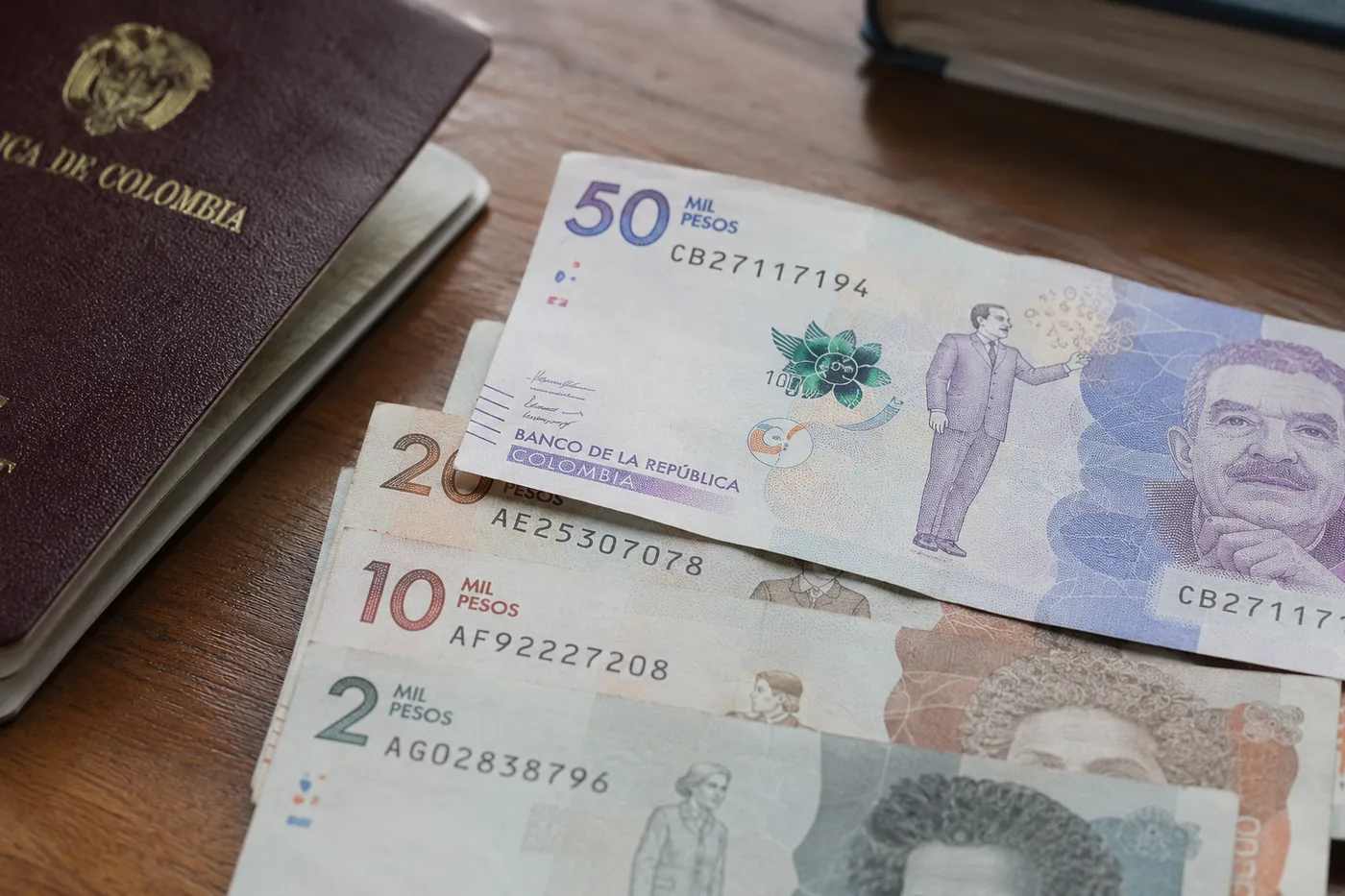
Illustration — AI-generated artwork, not documentary photography.
On the groundMedellín's El Poblado and Laureles keep showing up in every “expat guide,” which is exactly why we spend more time in this article on Envigado and Belén — less foreign demand pushing up asking prices for comparable square footage.
Foreign ownership, all eight markets
This is the table we wanted when we started and could not find anywhere. It answers one question in each market: as a foreign individual, what is the strongest form of ownership actually available to you?
| Market | Freehold for foreigners? | The binding restriction | Tenure |
|---|
| Colombia | Yes — anywhere | None. Foreigners hold identical title to citizens, including rural land and coastal property. | Indefinite |
| Panama | Yes — anywhere | None. No restricted zone, no trust requirement, no nationality-based limitation. | Indefinite |
| Mexico | Yes, with a structure near coasts and borders | Constitutional Article 27 restricted zone — 50km from coastline, 100km from a border. Held through a bank trust (fideicomiso) or a Mexican company. | Indefinite; trust renewable |
| Brazil | Yes for urban property | Rural land is capped for foreign owners, and a 150km border strip carries additional restrictions. A CPF is required before anything. | Indefinite |
| Argentina | Yes for urban property | Law 26.737 caps foreign holdings at 15% of rural land nationally and per province, 1,000 hectares per owner in core zones. Border security zones need prior clearance. | Indefinite |
| India | No, for most foreign nationals | Foreign nationals of non-Indian origin resident outside India cannot acquire immovable property except by inheritance. NRIs and OCIs can buy residential and commercial, but not agricultural land, plantations or farmhouses. | Indefinite where permitted |
| Indonesia | No | Hak Milik is reserved for Indonesian citizens. Foreigners hold Hak Pakai (requires a valid stay permit), a lease, or Hak Guna Bangunan through a PT PMA company. | 30 + 20 + 30 years |
| Vietnam | No — nor can anyone | All land is collectively owned by the State. Foreigners buy housing inside licensed projects only, capped at 30% of apartments per building. | 50 years, extendable once |
Verified 11 August 2026 against the sources cited in each market brief. Rules in this table change by decree and by court injunction, sometimes without announcement. Treat it as a map of where to look, not as legal advice, and confirm anything you intend to act on with a licensed practitioner in that country.
Three tiers of ownership
Read down that table and the eight markets sort themselves into three groups, which is more useful than any ranking.
Tier one — clean freehold. Colombia and Panama. A foreigner buys, holds indefinite title in their own name, and faces no zone restriction, no company requirement and no clock. There are only two markets in this set where that is true, and it is the single strongest argument either country has.
Tier two — freehold with a fence around part of it. Mexico, Brazil and Argentina. Ownership is real and indefinite, but geography decides the paperwork. Mexico’s restricted zone catches exactly the coastal property most foreign buyers want and routes it through a bank trust. Brazil and Argentina both restrict rural land and border strips while leaving urban property open. In all three, an apartment in a major city is straightforward and a beach or a farm is not.
Tier three — no freehold at all. India, Indonesia and Vietnam. Different legal reasons, same practical outcome: the thing you buy is not the thing a local buys. In India most foreign nationals cannot buy at all. In Indonesia you hold a time-limited right tied to your visa status, or you hold it through a company. In Vietnam nobody holds land, including Vietnamese citizens — they hold indefinite use rights, and you hold a fifty-year housing certificate.
The tier three markets are not worse investments. Vietnam is growing at roughly three times Colombia’s rate. They are different transactions, and the failure mode is buying a tier three asset while mentally modelling a tier one one.
Colombia in depth
Colombia is the market we report on the ground rather than from primary sources, and the practical texture is worth more than the legal summary.
The legal position is genuinely unrestricted. A foreigner can buy an apartment in Medellín, a house in Cartagena or farmland in Antioquia on the same terms as a Colombian citizen, with no zone restriction and no trust structure. Title passes by escritura pública before a notary and is registered at the Oficina de Registro de Instrumentos Públicos. The friction is procedural: obtaining a tax identification number, registering the incoming foreign capital properly so the funds can eventually leave again, and the ordinary due diligence of confirming the chain of title and that the property is free of encumbrances.
That capital registration step is the one that catches people. Money brought in to buy property should be registered as foreign investment at the time it enters. Registering it later is possible and unpleasant; not registering it at all creates a problem at sale rather than at purchase, which is the worst time to discover it.
On location, El Poblado and Laureles dominate every published guide, which is precisely why foreign asking prices there have decoupled from comparable square footage in Envigado and Belén. We are not going to publish yield figures we cannot verify — and reliable rental yield data for Colombian secondary neighbourhoods is not something we have been able to source to a standard we would stand behind. What we can say is that the price gap between the guide-famous neighbourhoods and the ones a block outside them is large and is driven by foreign demand rather than by anything structural.
The four expensive mistakes
1. Treating a nominee arrangement as ownership. This is Indonesia’s specific trap and it recurs wherever freehold is restricted. Paying a local citizen to hold title “for” you produces a document that will not survive a dispute. It is not a workaround. It is an unsecured loan to a stranger, secured on nothing.
2. Buying coastal property in Mexico without pricing the trust. The fideicomiso is a legitimate, long-established structure and it works. It also carries setup and annual bank fees for the life of the holding, and those are frequently omitted from the yield model a seller shows you.
3. Assuming “rural” means farmland. In Argentina, the rural land regime turns on whether the parcel sits outside an urban boundary, not on what you intend to do with it. A lifestyle plot near a Patagonian lake is caught. An apartment in Córdoba is not.
4. Not asking when the clock starts. In Vietnam the fifty-year term runs from the issuance date of the ownership certificate, which on an off-plan purchase can be years after you paid. Ask for the date, in writing, before signing.
What this table does not tell you
- Rental yields. We do not publish yield figures for any market on this site, because the available data is a mix of agent marketing and small unrepresentative samples. Where a number appears in a brief it is attributed and dated. Where we could not verify one, the page says so instead of rounding into prose.
- Transaction costs. These vary widely within countries, not just between them, and published all-in estimates rarely reconcile. Get a written estimate from a local practitioner for your specific transaction.
- Whether the rules held. Argentina’s rural land law is under active legal challenge. Panama’s investor threshold changes in October 2026. Indonesia’s capital requirements changed in October 2025. This table is dated for a reason.
- Financing. Mortgage availability to foreign nationals ranges from limited to effectively absent across most of this set. Assume cash unless a specific lender tells you otherwise in writing.
Field reports in this pillar
Read the market briefs
Every market in the table above has its own brief, built on the same eight blocks so the sections line up when you open two side by side.
All market briefs →